
Personal Tax Planning in Australia: A Practical Guide for Ipswich Households

Personal tax planning is the work you do before 30 June, not after it. It means reviewing your income, deductions, super contributions, and investment decisions while you still have levers to pull, so that when you lodge your return you have claimed everything the law allows and avoided the surprises that come with missed deadlines […]
Electric Vehicle Tax Concessions in Australia: What Ipswich Drivers and Employers Need to Know

If an eligible electric vehicle is provided to an employee through a novated lease or employer-owned arrangement, no fringe benefits tax is payable on the car benefit. That single rule, combined with a higher luxury car tax threshold for fuel-efficient vehicles, makes salary packaging an EV one of the most tax-effective ways for an Australian […]
Fringe Benefits Tax for Employees: What You Actually Need to Know

In almost every case, your employer pays Fringe Benefits Tax (FBT), not you. FBT is a separate federal tax charged at 47% on the grossed-up value of certain non-cash benefits an employer provides to employees or their associates, such as a spouse. You will not usually lodge an FBT return or pay FBT out of […]
Tax Planning for Small Businesses and Entrepreneurs in Australia: A Practical Guide

Tax planning for Australian small businesses is the year-round process of making informed decisions about income, deductions, structure, and timing so you pay the right amount of tax, avoid cash flow surprises, and stay compliant with the ATO. Done well, it turns tax from a June scramble into a steady part of running the business. […]
The Research and Development Tax Incentive: a practical guide for Ipswich businesses

The Research and Development Tax Incentive (RDTI) is a federal program that gives eligible Australian companies a tax offset on money spent resolving genuine technical uncertainty through systematic experimentation. It is jointly administered by AusIndustry (on behalf of Industry Innovation and Science Australia) and the ATO. Companies with aggregated turnover under $20 million can access […]
Tax compliance for small business in Australia: registrations, reporting, and deadlines
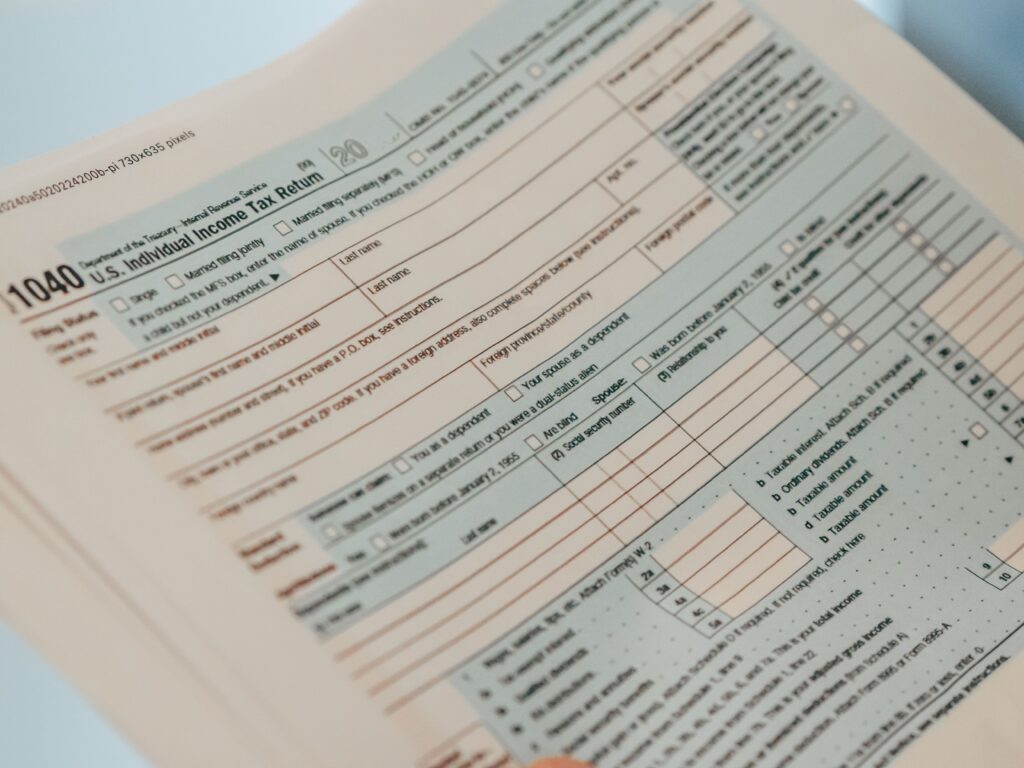
Tax compliance for a small business means meeting the lodgement and payment obligations that attach to the business from day one: registering for an ABN, TFN, and GST where required; lodging BAS and income tax returns on time; reporting wages through Single Touch Payroll; paying super guarantee by the quarterly due dates; and keeping records […]
Fringe Benefits Tax: A Practical Guide for Australian Employers

Fringe Benefits Tax (FBT) is a separate federal tax employers pay on certain non-cash benefits provided to employees, directors, or their associates in connection with employment. It sits outside income tax and PAYG withholding, runs on its own 1 April to 31 March year, and is charged at 47% on the grossed-up taxable value of […]
Tax deductions for small business in Australia: what you can claim, what you can’t, and how to prove it

An Australian small business can claim a tax deduction for an expense incurred in earning assessable income, provided it is not private, domestic, or capital in nature unless a specific rule allows the cost to be deducted over time. In practice, that test covers most day-to-day operating costs, including rent, wages, super paid on time, […]